

Scroll to explore
TBISSTILLWITHUS.
Protect yourself and the people closest to you from what cannot be seen
TBcanbepreventedandcuredthroughpropereducationandtreatment
WhatisTB?
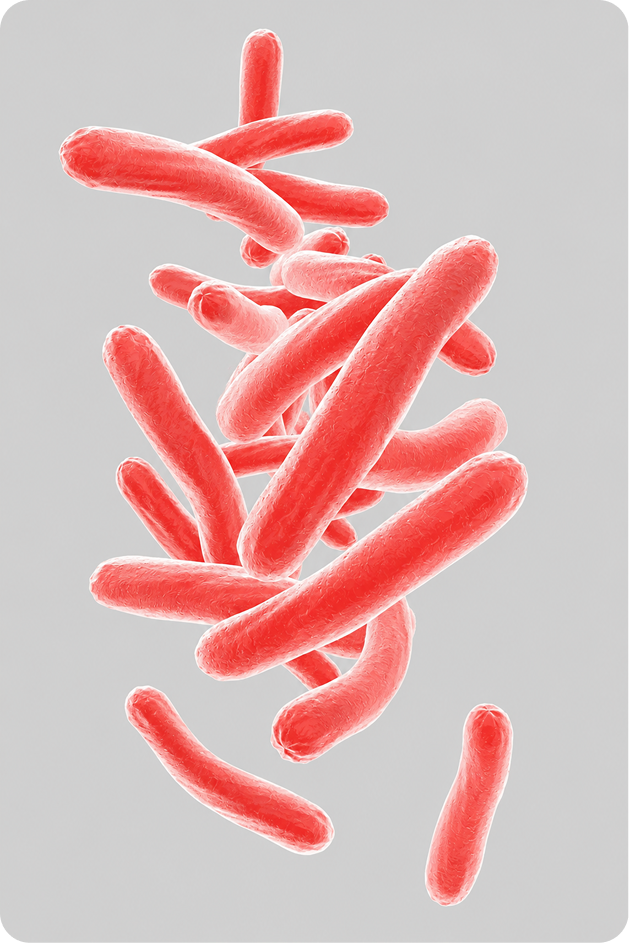
Tuberculosis (TB) is an infectious disease caused by bacteria called Mycobacterium
tuberculosis.
It most often affects the lungs, but in some cases it can also affect other parts of the body. TB is not a disease that appears suddenly without cause; it is an infection that can be prevented and treated with proper care.
BEWAREOFTHEDANGEROFTB
which often strikes silently.
HOWDOESTBSPREAD?
TBSPREADSTHROUGHTHEAIR
When a person with TB talks, coughs, sneezes, or laughs, bacteria can be released into the air and inhaled by others through the respiratory tract until reaching the lungs. Once inside the body, the bacteria are fought by the immune system. If a person's immune system is weak, the bacteria can multiply and cause disease. On the other hand, if the immune system is strong, the bacteria may remain controlled without causing symptoms.
1 PERSON
10–15 OTHERS
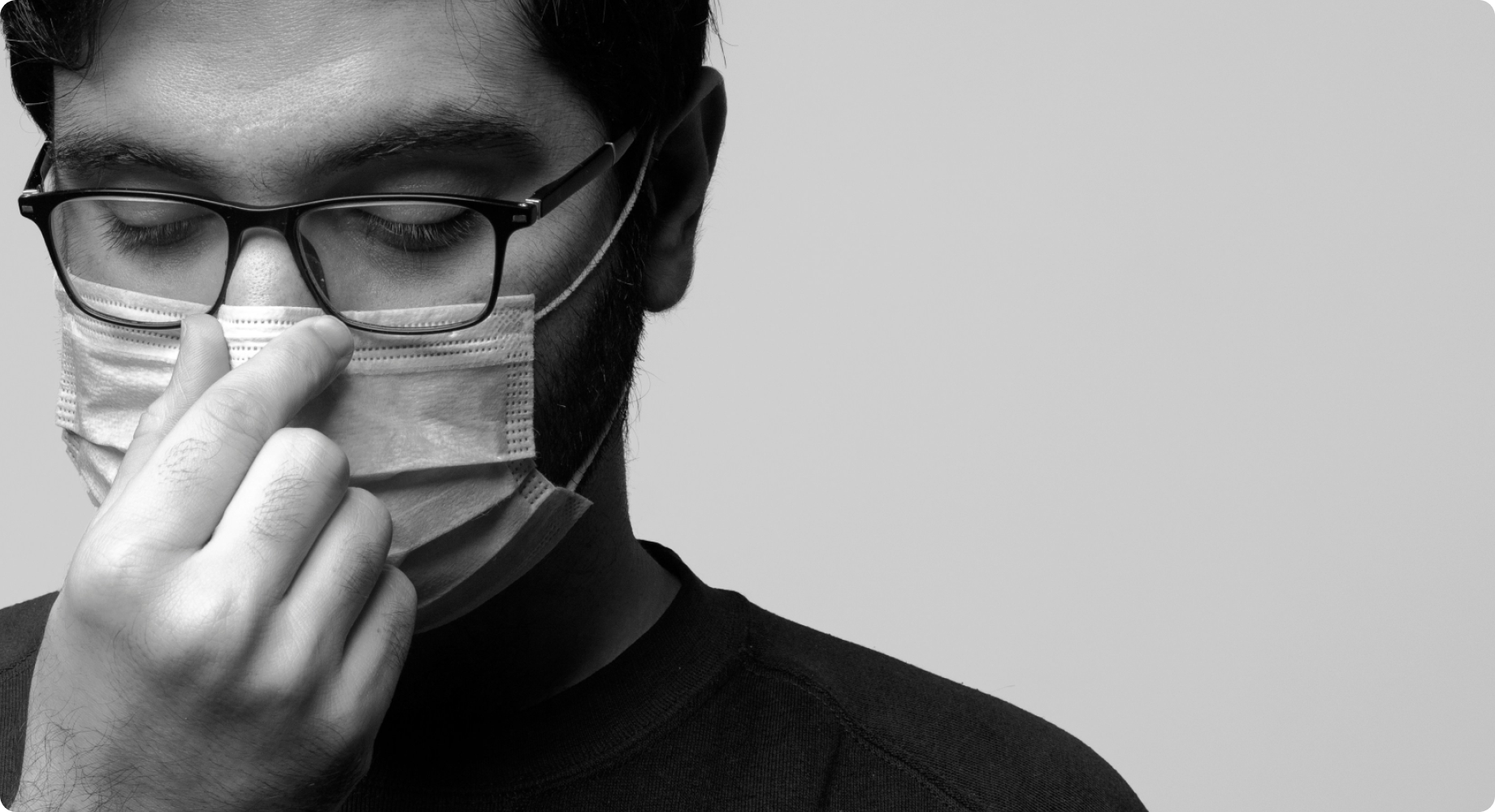
Your immune system may fight it.
But if it's weakened, the infection can grow.
TBSYMPTOMSINADULTS
Symptoms of TB in adults usually appear gradually and are often not immediately recognized. One of the most common signs is a cough that lasts for more than 2 weeks. In addition, a person may experience shortness of breath or chest pain, unexplained weight loss, and night sweats even without physical activity. A persistent mild fever and reduced appetite can also be warning signs to watch for.
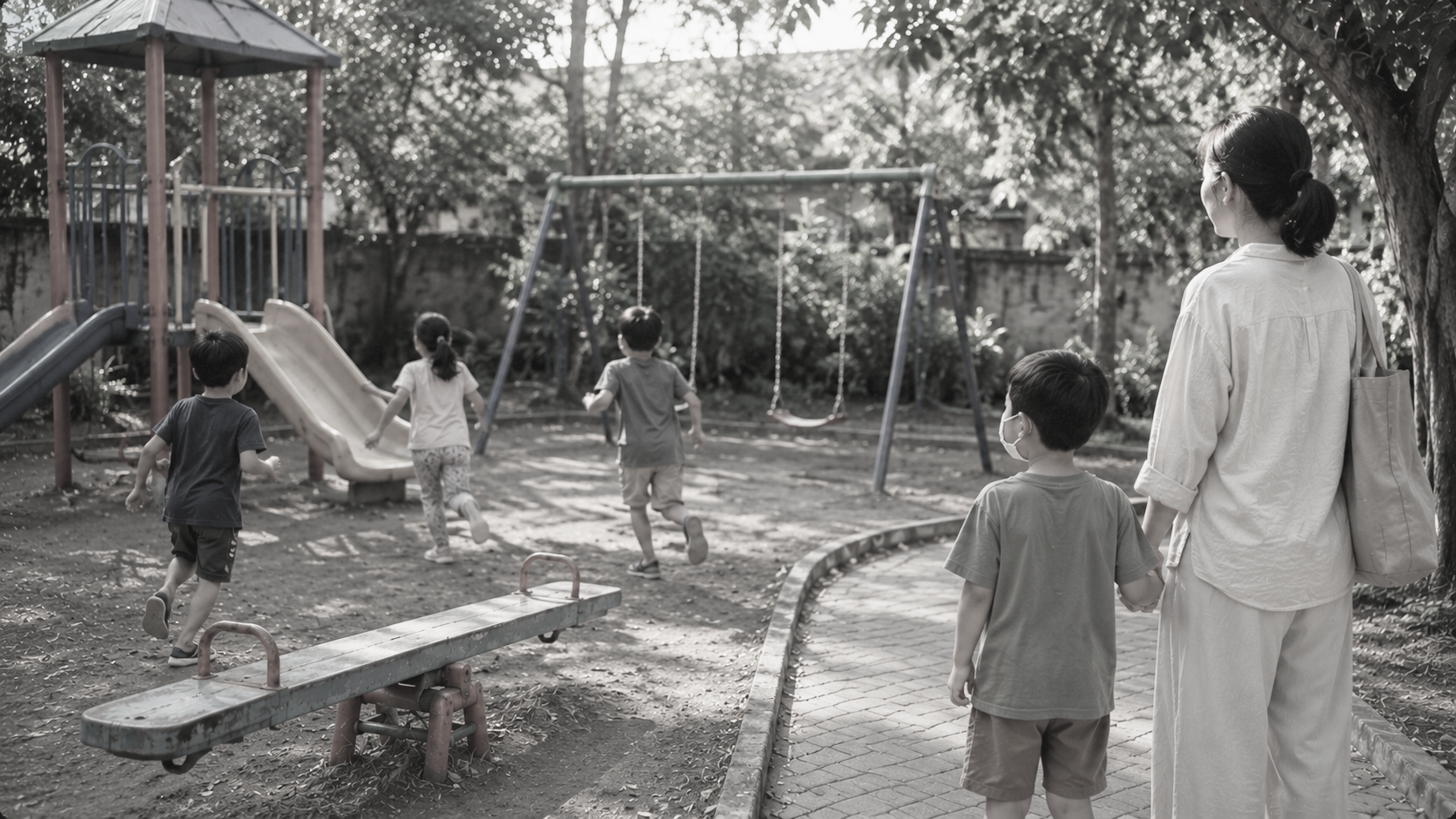
DON'TLETTBSTEALACHILD'SLAUGHTER
TBSYMPTOMSINCHILDREN
In children, TB symptoms are often non-specific, making them harder to recognize. A child may experience a persistent cough lasting more than 2 weeks, prolonged fever, and night sweats. Children may also appear weaker, less active in play than usual, and experience weight loss. Because the symptoms are not always obvious, it is important for parents to be more attentive to changes in their child's condition.
HOWTOTBEXAMINATION?
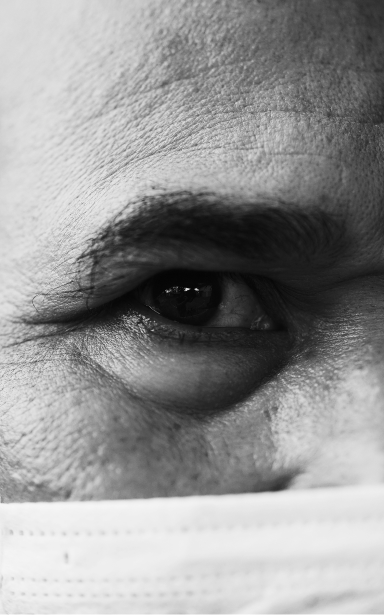
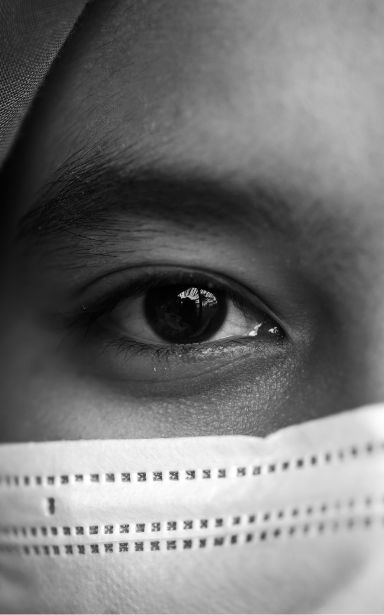
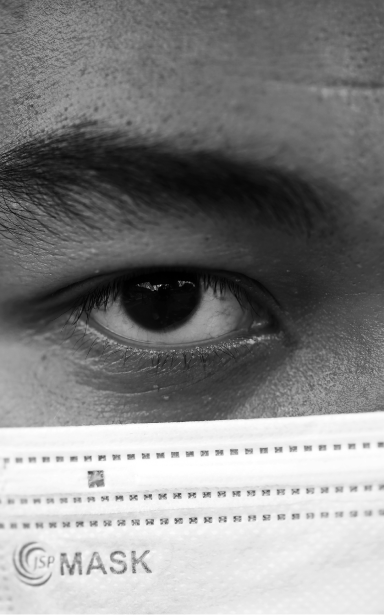
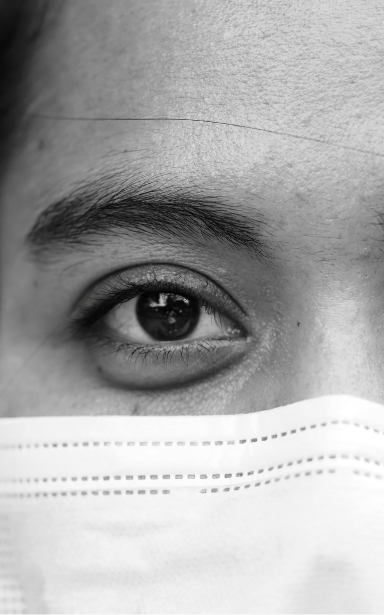
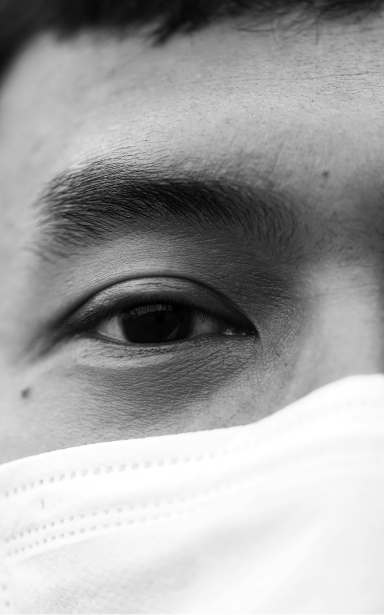
IfyouexperienceTBsymptoms,getcheckedatahealthcarefacilitysuchasapublichealthcenter,clinic,ornearbyhospital.
TB can be detected through sputum testing to identify the presence of bacteria in the body. The preferred method is the Molecular Rapid Test, while microscopic examination can be used as an alternative if access to TCM is limited. Sputum samples are generally collected more than once, for example during the first visit to a healthcare facility and again in the morning after waking up. In this process, health volunteers can also help provide education and assist the community in collecting sputum samples.

Don'tstoptreatmenthalfway
Completeitsobreathingfeelscomfortableagain
TBTREATMENTWHYMUSTITBECOMPLETED?
TB is a disease that can be cured with proper treatment. Treatment is carried out using a combination of special antibiotics known as Anti-Tuberculosis Drugs. This therapy must be followed according to the dosage and duration prescribed by healthcare professionals. If treatment is not carried out according to standard guidelines, its effectiveness may decrease and increase the risk of treatment failure as well as the emergence of drug-resistant TB.
Even if the body starts to feel better before treatment is completed, it does not mean the TB bacteria have been fully eliminated from the body. At this stage, the bacteria may only be temporarily weakened by the medication. If treatment is stopped midway, the bacteria can grow again and may even become more resistant to the drugs. As a result, further treatment may become longer, more complex, and more difficult.
MAINTAINBODYHYGIENESOTBDOESNOTSPREADTOYOURFAMILY
HOWTOPREVENTTB
TB prevention can be achieved by adopting clean and healthy lifestyle habits in daily life. This includes maintaining proper nutrition, ensuring the home has adequate air circulation and lighting by opening windows, and exercising regularly to maintain the body's immune system. In addition, keeping the environment clean, such as drying bedding to prevent dampness, is also important. Avoiding smoking and alcohol consumption also helps reduce the risk of TB.
“ TB is not a curse, a bacterial infection can be cured ”
ImportantFactsAboutTB
If left untreated, one person with TB can spread the disease to around 10–15 other people
TB does not only affect the lungs, but can also affect other organs such as bones, lymph nodes, skin, and the brain
TB is not an inherited disease or a curse
TB can affect anyone, especially working-age adults, children, and the elderly
TB can be cured with proper treatment using anti-tuberculosis medication
“ Let’s embrace one another without stigma for a future full of hope ”
TBISSTILLWITHUS.
Protect yourself and the people closest to you from what cannot be seen
TBcanbepreventedandcuredthroughpropereducationandtreatment
WhatisTB?
Tuberculosis (TB) is an infectious disease caused by bacteria called Mycobacterium
tuberculosis.
It most often affects the lungs, but in some cases it can also affect other parts of the body. TB is not a disease that appears suddenly without cause; it is an infection that can be prevented and treated with proper care.
BEWAREOFTHEDANGEROFTB
which often strikes silently.
HOWDOESTBSPREAD?
TBSPREADSTHROUGHTHEAIR
When a person with TB talks, coughs, sneezes, or laughs, bacteria can be released into the air and inhaled by others through the respiratory tract until reaching the lungs. Once inside the body, the bacteria are fought by the immune system. If a person's immune system is weak, the bacteria can multiply and cause disease. On the other hand, if the immune system is strong, the bacteria may remain controlled without causing symptoms.
1 PERSON
10–15 OTHERS
Your immune system may fight it.
But if it's weakened, the infection can grow.
TBSYMPTOMSINADULTS
Symptoms of TB in adults usually appear gradually and are often not immediately recognized. One of the most common signs is a cough that lasts for more than 2 weeks. In addition, a person may experience shortness of breath or chest pain, unexplained weight loss, and night sweats even without physical activity. A persistent mild fever and reduced appetite can also be warning signs to watch for.
DON'TLETTBSTEALACHILD'SLAUGHTER
TBSYMPTOMSINCHILDREN
In children, TB symptoms are often non-specific, making them harder to recognize. A child may experience a persistent cough lasting more than 2 weeks, prolonged fever, and night sweats. Children may also appear weaker, less active in play than usual, and experience weight loss. Because the symptoms are not always obvious, it is important for parents to be more attentive to changes in their child's condition.
HOWTOTBEXAMINATION?
IfyouexperienceTBsymptoms,getcheckedatahealthcarefacilitysuchasapublichealthcenter,clinic,ornearbyhospital.
TB can be detected through sputum testing to identify the presence of bacteria in the body. The preferred method is the Molecular Rapid Test, while microscopic examination can be used as an alternative if access to TCM is limited. Sputum samples are generally collected more than once, for example during the first visit to a healthcare facility and again in the morning after waking up. In this process, health volunteers can also help provide education and assist the community in collecting sputum samples.
Don'tstoptreatmenthalfway
Completeitsobreathingfeelscomfortableagain
TBTREATMENTWHYMUSTITBECOMPLETED?
TB is a disease that can be cured with proper treatment. Treatment is carried out using a combination of special antibiotics known as Anti-Tuberculosis Drugs. This therapy must be followed according to the dosage and duration prescribed by healthcare professionals. If treatment is not carried out according to standard guidelines, its effectiveness may decrease and increase the risk of treatment failure as well as the emergence of drug-resistant TB.
Even if the body starts to feel better before treatment is completed, it does not mean the TB bacteria have been fully eliminated from the body. At this stage, the bacteria may only be temporarily weakened by the medication. If treatment is stopped midway, the bacteria can grow again and may even become more resistant to the drugs. As a result, further treatment may become longer, more complex, and more difficult.
MAINTAINBODYHYGIENESOTBDOESNOTSPREADTOYOURFAMILY
HOWTOPREVENTTB
TB prevention can be achieved by adopting clean and healthy lifestyle habits in daily life. This includes maintaining proper nutrition, ensuring the home has adequate air circulation and lighting by opening windows, and exercising regularly to maintain the body's immune system. In addition, keeping the environment clean, such as drying bedding to prevent dampness, is also important. Avoiding smoking and alcohol consumption also helps reduce the risk of TB.
“ TB is not a curse, a bacterial infection can be cured ”
ImportantFactsAboutTB
If left untreated, one person with TB can spread the disease to around 10–15 other people
TB does not only affect the lungs, but can also affect other organs such as bones, lymph nodes, skin, and the brain
TB is not an inherited disease or a curse
TB can affect anyone, especially working-age adults, children, and the elderly
TB can be cured with proper treatment using anti-tuberculosis medication